Our Curriculum
To create opportunities and develop the confidence to excel - together.
Curriculum Aims
We have identified a set of curriculum aims, designed to ensure we enable Waltham Toll Bar students to make positive contributions to the world:
- Build deep knowledge, skills & understanding in all subject areas.
- Develop Literacy & Numeracy to address social disadvantage.
- Equip our students with opportunities and experiences within and beyond the curriculum to develop personally and be able to make informed and ambitious choices about their future so they can succeed in modern Britain and beyond.
Curriculum Impact
We are ambitious for all pupils to achieve as a result of the education they have received. Specifically, we want our curriculum to enable pupils to:
- Leave the Academy as young adults able to share their own ideas, views and opinions, responding to others in a considered and well-articulated manner.
- Know more, Do more, Remember More, making progress to acquire the knowledge and cultural capital they need to succeed in life, from what is intended in the curriculum.
- Produce work of high quality.
- Able to read to an age-appropriate level and fluency (if not, they will be incapable of accessing the rest of the curriculum, and they will fall rapidly behind their peers).
- Have been well prepared for their next stage of education, training or employment at each stage of their learning, including whether pupils in sixth form are ready for the next stage and are going on to appropriate, high-quality destinations.
- Achieve well in national tests and examinations, where relevant.
Curriculum Locality
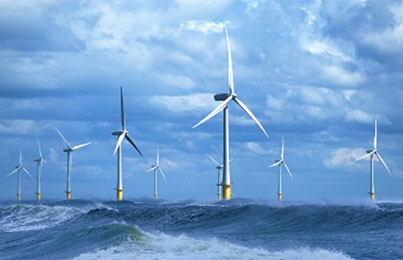
Historically, our economy came from the fishing industry operating in the ports of Grimsby. Today, the area continues to be shaped by its connection to the North Sea. Employment in ports, manufacturing, and food processing sectors are at the core of the work opportunities for those that live here. The recent success of offshore wind farm clusters, off our coastline, continues to ensure an increasing number of businesses are now choosing the Port of Grimsby as their base.
Although blessed with a number of economic opportunities, the region faces considerable social inequality. 50% of its population resides in areas with an Index of Multiple Deprivation in the bottom 3 deciles. 22% of the children under 16 live in low-income families compared with 15% in England and 18% of families experience fuel poverty in contrast to 13.2% in the rest of the country. Our large academy plays in important role in this region. Our highly ambitious curriculum is designed to provide a workforce that that possess the desired skills and knowledge needed by employers and an appreciation of how to thrive in multicultural Britain and beyond.
Curriculum Development & Research
We have learned from a wide range of sources to create and evolve our curriculum and pedagogy including:
- Utilising the National Curriculum programmes of study.
- OFSTED’s subject guides.
- Consultation with local employers.
- MAT primary schools.
- Secondary schools in our MAT.
- Local FE colleges.
- Hull University and Hull University student ambassadors programme.
- Two local non-MAT primary schools; Waltham Leas Primary and Scartho Junior Academy.
- Parents and carers, governors, pupils and school staff.
- Considered the local economic strategy documents including Council Plan - Our vision and aims and the documents below:
Curriculum Principles
Every child has the potential to succeed and there are no excuses not to achieve that success. We expect that every Waltham Toll Bar Academy student leaves our academy with the qualifications, skills and confidence to achieve excellence. We have identified a set of principles which underpin our curriculum intent of creating opportunities and developing the confidence to excel - together. Our intention is that these principles enhance and develop students' character traits that last a lifetime.
- The curriculum is designed to ensure that students experience a broad curriculum for as long as possible in order to support students' learning and progression into further and higher education, training or employment.
- The curriculum is ambitious and designed to give pupils, particularly disadvantaged pupils and pupils with SEND, the knowledge they need to take advantage of opportunities, responsibilities and experiences in later life.
- When designing the knowledge-rich curriculum, care is taken to ensure that it is built on sound pedagogical principles to enable our students to know more and do more, and prepare them for 21st Century life.
- Considerable thought, time and planning is devoted by all staff in ensuring that the curriculum is mapped and sequenced to complement what has been previously learned. The build-up of knowledge and the practice of skills over time is gradual so as to enable pupils to achieve clear end points.
- Ensuring students enjoy their time in school and develop the cultural capital they need to succeed in life.
- Providing every child, regardless of their social background, race, nationality, disability, religion, sexual orientation or gender identity, with a safe and nurturing environment in which to grow.
Visit our learning journeys for more details on our curriculum.
Attainment & Progress at Key Stage 3
At KS3, students will undertake summative assessments twice a year to measure their understanding in each subject. The second summative assessment that takes place towards the end of the academic year will cover all the work studied that year. Students will obtain a percentage test score for each subject after completing an assessment. After an assessment, a percentile rank is used to determine the position the student within the cohort.
This rank is then compared to the percentile rank of students’ KS2 outcomes in order to determine the progress the student has made.
Attainment & Progress at Key Stage 4
At KS4, students will be assessed against GCSE criteria in two summative assessments per subject. The academy will report the progress of the student after each assessment. At the end of Year 10 and in Year 11, the Academy will also report a GCSE grade attained by the student. Progress will be measured by comparing their performance in recent assessments with their target grade.
Assessment Calendar 2025-26
All students will complete two summative assessments each academic year at Waltham Toll Bar. Following these assessment windows a report will be sent to parents informing them of their child’s performance and progress made within their respective subjects. This report will be sent around two weeks after the closure of the assessment window to allow for internal standardisation and moderation procedures. In Year 11 and Year 10 some assessments will take the format of Mock Examinations to prepare students for their upcoming Key Stage 4 examinations.
The assessment calendar for the 2025-26 academic year is:
| Year | Assessment 1 Window | Assessment 2 Window |
|---|---|---|
| 7 | 8th December – 12th December 2025 | 8th June – 12th June 2026 |
| 8 | 22nd September – 17th October 2025 | 9th March – 13th March 2026 |
| 9 | 22nd September – 17th October 2025 | 14th April – 24th April 2026 |
| 10 | 12th January – 16th January 2026 | 15th June – 26th June 2026 |
| 11 | 3rd November – 18th November 2025 | 2nd February – 13th February 2026 |
Art & Design
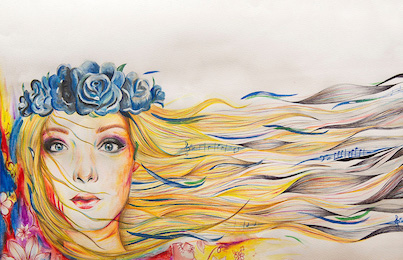
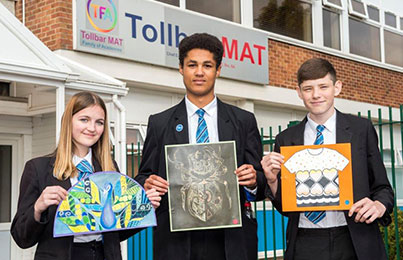
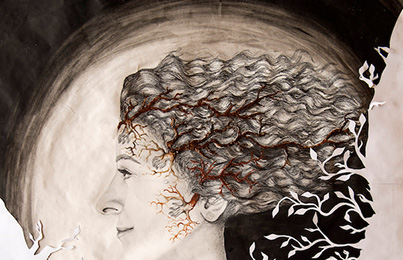
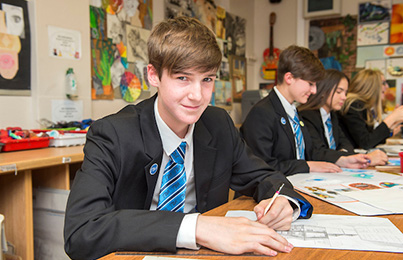
The Curriculum Area has a high profile within the Academy. There is imagination and innovation running through all areas of the curriculum and a high level of involvement in extra-curricular activities with clubs and exhibitions. We view this as an essential contribution to Academy life and a great benefit to the students and staff alike.
- Art & Design
- Ethos & Values
- Knowledge & Skills
- Resources & Facilities
- Courses & Qualifications
- Learning Outside The Classroom
- Where Does This Take Me In The Future?
Ethos & Values
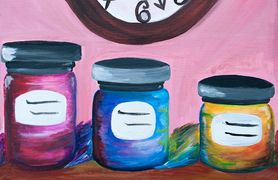
In the Art and Design Curriculum Area we endeavour to foster students' sensitivity to and their understanding and enjoyment of Art and Design. We aim to provide students with skills, knowledge and confidence in each area and develop their enjoyment of Art and Design through an active, practical involvement in the creative elements of each discipline.
We feel that Art and Design is an essential element in a balanced education, allowing personal expression, personal development, creativity and practical involvement in the subject. Students gain confidence and a real appreciation of each other's talent.
In the Curriculum Area we are aware that Art and Design is one of the few areas where students take part in the creation of their own personal items. This adds even more to the aesthetic value of the subject, giving the students a healthy channel for their creative talents.
The Curriculum Area aims:
- To develop the students' aesthetic appreciation of a variety of art forms and to continue to explore this through developments in Art and Design.
- To provide stimulating visual and practical experiences which provide opportunities for the development of skills.
- To promote interest, enthusiasm and enjoyment of the subject.
Knowledge & Skills
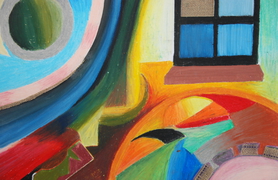
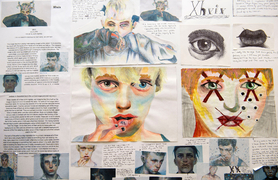
At Key Stage 3 Schemes of Work cover the core criteria that we believe are vital. The students address four areas of enquiry: competency, creativity, cultural and critical. These are used to build the knowledge and skills required for artist appreciation and practice.
At Key Stage 4 we follow the GCSE (AQA) Art and Design Unendorsed programme. This is a popular choice. Assessment for GCSE is 60% Coursework Portfolio and 40% Final Examination.
All Schemes of Work are reviewed and amended, responding to new developments in Art and Design. We work on projects which offer students the opportunity to explore and experiment with varied and diverse media to enhance their work. Students also look at the history of art and the artwork/design from other cultures in order to develop their own studies and artwork. Students are encouraged to make creative choices and develop their own ideas in response to artists' and designers' work.
From September 2017, we are introducing GCSE (AQA) Photography. This is an exciting addition to the curriculum, allowing students to explore the world around them through digital and alternative photographic process. Students will make creative responses to projects covering a wide area of photographic styles, including portraiture, photomontage, landscape and fashion photography. They will develop skills and experiment with the key principles of composition, lighting, movement and depth of field.
At Key Stage 5 we offer AQA A Level Art and Design. In Sixth Form students build upon their skills learnt at GCSE to deepen their understanding of artists, techniques and processes. We aim to support students form their own directions and investigations. This discipline provides students the opportunity to explore varied avenues of both traditional and contemporary art and design.
Resources & Facilities
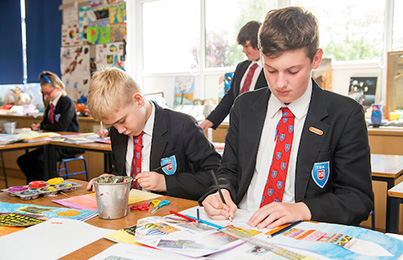
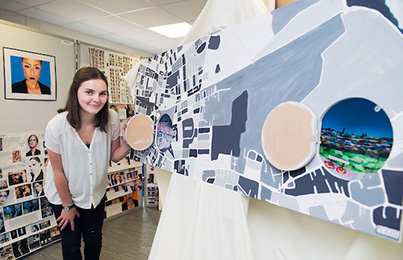
In Key Stages 3 and 4, we have five well equipped studios. In four of the Art rooms we have a bank of computers, allowing students to manipulate images using Adobe Photoshop and Illustrator techniques. There are two kilns, allowing clay work to be fired on site.
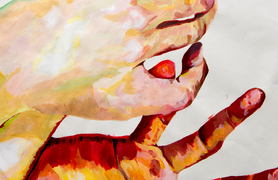
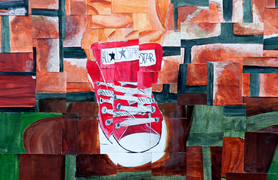
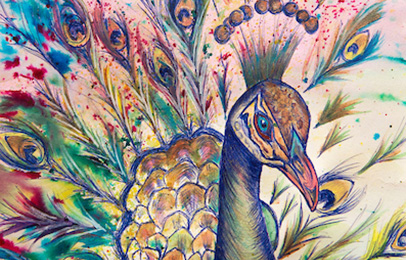
A range of processes and materials are used in all Key Stages including 2D and 3D work. These include: drawing, painting, mixed media, collage, ceramics, wire sculpture, photography and computer aided design.
A Level students are accommodated in their own modern, well-lit studio and have use of excellent ICT facilities linked with a colour printer and scanner.

Courses & Qualifications
- At Key Stage 3 we follow QCA guidelines.
- At Key Stage 4 we follow the GCSE (AQA) Art and Design Unendorsed programme. This is a popular choice. Assessment for GCSE is 60% Coursework Portfolio and 40% Final Examination.
- At Key Stage 5 we offer AQA A level Art and Design which runs for 2 years; a range of skills are developed and a variety of materials are used to fulfil potential.
The A Level programme is intended to deepen and extend the students' own creative skills and their understanding of art practice developing from GCSE studies. They will have the opportunity to work in painting, drawing and mixed media, sculpture and photography where appropriate. They will be encouraged to experiment and be adventurous in expressing their own thoughts, observations and ideas. Observational drawing is fundamental to art practice and will form the keystone for each project. Students should then develop their ideas into more experimental and possibly abstract outcomes.
Students will work to set themes and be expected to explore, using a variety of materials, analyse and investigate the work of other artists, craft persons and designers to develop personal final outcomes.
Learning Outside The Classroom
Key Stage 3 & Key Stage 4:
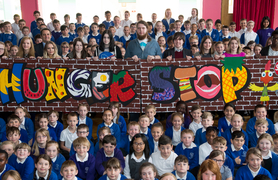
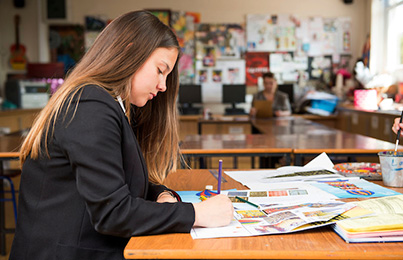
We run classes for identified students which help further each student's creativity and practical skills in the subject and provide stimulus for other areas of their work. Art clubs are held to help promote a deeper understanding and appreciation of art. These clubs have the opportunity to move away from specific learning objectives to help create ownership and confidence.
Students are encouraged to enter work for local and national competitions - where we have had considerable success.
There are after-Academy classes for coursework development offered to Key Stage 4 students. Those who need extra time and one to one support to complete work find this valuable.
Key Stage 5:
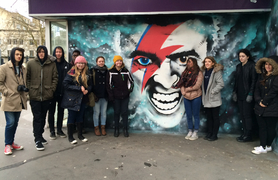
A Level study includes annual visits to national and local galleries. This enables students to be exposed to historical and contemporary art work that can inspire and motivate them. We feel that contact to first-hand sources and an appreciation of the gallery environment is important.
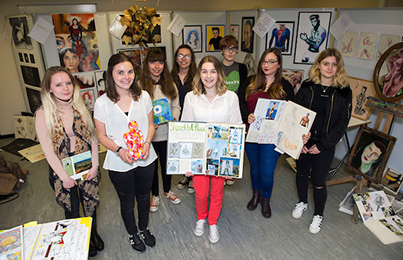
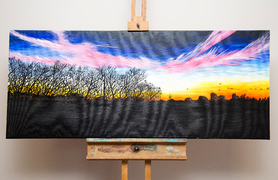
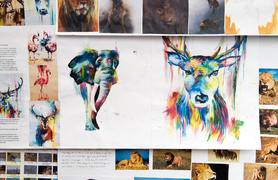
The Curriculum Area holds an annual exhibition of GCSE and A Level Art coursework, which is open for public viewing on the New Intake Evening.
Students are encouraged to enter local and national competitions. Students often win various categories and achieve certificates for a high standard of entry.
The Curriculum Area exhibits work around the Academy site and annually for the GCSE and A Level at Parents' Evenings and Open Evenings.
Where Does This Take Me In The Future?
Having completed a GCSE in Art and Design or Photography students can go on to:
- Study Art and Design at A Level at Toll Bar MAT Sixth Form (providing entry requirements are met).
- Study Art and Design or Photography in Higher Education.
- A career in design, illustration, printmaking, interior design, teaching, art therapy, art administration, photo-journalism and digital marketing.

To create opportunities and develop the confidence to excel - together.
- Leader: Mr O Fothergill
Aims of our Curriculum
Our curriculum is designed to eradicate the notion of disadvantage; provide equality of opportunity; instil resilience and encourage independence enabling our young people to be respectful, tolerant and compassionate citizens ready to make a positive impact to our community. Our curriculum provides a commitment to ensure that all pupils are taught and have the experience of;
- The explicit teaching of British Values and life in contemporary Britain.
- Social, Moral, Spiritual and Cultural Education (SMSC).
- Religious Education.
- A Stable Careers Programme and In-Depth Awareness of Post-16/18 Options.
- Character Education.
- Citizenship, Personal, Social, Health and Economic Education (CPHSE).
- E-Safety.
- Relationships, Sex and Health Education (RSHE).
- Extra-Curricular Opportunity.
Our Personal Development Curriculum is composed of five key areas:
- The Waltham Toll Bar Way.
- Health and wellbeing.
- Healthy relationships.
- Championing our community and beyond.
- Living and prospering in contemporary Britain.
During students' Personal Development learning journey, they will learn about a range of topics as part of our Relationship and Sexual Health Education programme. This covers the DfE's statutory guidance that was updated from September 2021.
Detailed information about the content of our curriculum and how it is taught can be found in our guide for parents and carers. Click below to find out more.
Post 16 Enrichment

Aims of our curriculum:
- Encourage pupils to explore the universality of the human condition and understand their position within the world they live;
- Empower pupils to think critically, sensitively and thoughtfully;
- Instil a passion for reading diverse and varied texts, developing their independence and love of reading, as well as broadening their vocabulary;
- Engage and inspire pupils to develop an appreciation of writers’ craft;
- Enable pupils to articulate their views and passions in a range of modes, to a variety of audiences confidently;
- Excel in the ability to write articulately, coherently and imaginatively for a range of purposes and audiences;
- Excellence for all pupils including those who are disadvantaged or with SEND;
How we researched our curriculum:
The following publications and research papers have been explored and have been pivotal in shaping the sequencing and content of our curriculum:
National Curriculum for KS3, 4 and 5:
- KS4 English Programmes Of Study - GOV.U
- Ofsted Research Review Series: English - GOV.UK
- AQA - Assessment and Qualifications Alliance - English
- Eduqas - GCSE English Language
KS3 class readers researched and selected based on recommendations, Carnegie award winners and recommended reading ages:
- School Ready List - Recommended books for secondary school students aged 11-16
- Goodreads - Recommended KS3 Books
- Goodreads - Recommended KS4 Books
- Goodreads - Carnegie Book Lists
Strategies to support reading, vocabulary and writing skills:
- Closing the Reading Gap by Alex Quigley - Amazon
- Closing the Writing Gap by Alex Quigley - Amazon
- Closing the Vocabulary Gap by Alex Quigley - Amazon
Building on Prior Learning:
We have considered the requirements of the KS1/2 National Curriculum programme of study to help us plan our curriculum. We have also worked with feeder primary schools to ensure we build upon the knowledge, skills and understanding developed in KS1/2. Information can be found in the document named 'English Programmes of Study KS1 & 2' above.
What is covered in KS2 English?
- Reading easily, fluently and with good understanding.
- Developing the habit of reading widely and often, for both pleasure and information.
- Acquiring a wide vocabulary, an understanding of grammar and knowledge of linguistic conventions for reading, writing and spoken language.
- Appreciating our rich and varied literary heritage.
- Writing clearly, accurately and coherently, adapting their language and style in and for a range of contexts, purposes and audiences.
- Using discussion in order to learn; pupils should be able to elaborate and explain clearly their understanding and ideas.
- Competence in the arts of speaking and listening, making formal presentations, demonstrating to others and participating in debate.
Our Curriculum Journey Year 7-11

Summaries Showing the Subject Concepts & Sequence of our Curriculum
Geography Intent
The intent of the Geography Curriculum is to give students a great understanding of the world in both human and physical elements, including areas in which they live, and to develop their cultural capital through the exploration of a range of local and international case studies across all key stages. Geography allows all learners to challenge preconceived ideas about different peoples, places and the world we live in. In KS3 they study the Geography of the UK, moving on to World Issues so students can broaden their horizons and gain greater knowledge of how different countries and societies operate.
The Sequencing of the curriculum gives students the knowledge needed to tackle these challenging synoptic questions in Geography. Each of the KS3 topics students is based on fertile questions which challenge students to think deeply about their locality, nation and planet. Contemporary Geographical questions are considered such as the ‘Prisoners of Geography' concept, the geopolitical reasons behind the 2022 invasion of Ukraine and how world inequality is providing a barrier to climate action in the modern age.
Students will be given the opportunity to carry out their own geographical fieldwork and independent study right from the first year at the Academy. The KS3 Curriculum is intended to be challenging but give students the skills they need to progress with confidence to study KS4 Geography or that they can apply to their other studies. The KS3 Curriculum allows students to engage with the geography of both the UK and the wider world across the two years they study with us. This will give them a deep and meaningful understanding of the world in which they live and how humanity can impact upon it.
During our Key Stage 3 course, we will teach and then consistently revisit the following themes:
- Locational Knowledge: Students will be taught how to understand their place in the World and how this relates to the rest of the globe around them focusing on an scale of ‘local to national to international'.
- Physical Geography: Students will be taught to understand why the World has been shaped differently in locations from all across the globe.
- Human Geography: Students will be taught to understand why our species has been able to flourish across a vastly different range of locations and conditions.
- Opportunities: Students will be taught to understand how humans have been able to exploit the World for their own gain.
- Issues: Students will be taught to understand how the human race's dominance over the World has brought it into conflict with nature and how our activities have impacted the natural order of locations.
- Geographical Skills and Fieldwork: Students will be taught skills throughout the course that will enable them to be able to explore the themes above first-hand at the appropriate time.

Our Year 7 Curriculum
- In Year 7 our curriculum establishes a key foundation for students as they progress through their study of Geography. Our very first topic will give students an introduction to how the different branches of Geography fit together and introduce them to the map skills they will need to access the locations of study over the whole key stage.
- Year 7 will introduce the ‘themes' that will be explored throughout the whole key stage. These are Locational Knowledge, Physical Geography, Human Geography, Opportunities, Issues, Geographical Skills and Fieldwork.
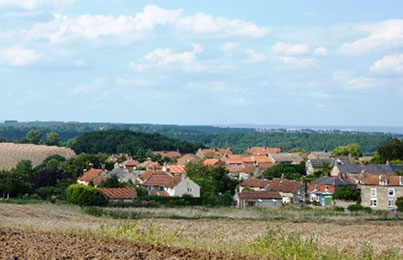
- Our locality is very important to our Geography curriculum in all key stages. In Year 7 learners will be introduced to Grimsby's origin as a Viking settlement but will mainly focus on how the area exists in modern times and it's place within the UK. We aim to give our students a sense of how their local area has changed from the past to present.
- Year 7 explores a number of interesting and engaging enquiry questions. Students will engage with these complex issues throughout the curriculum, building to a synoptic focus on comparing Grimsby to the rest of the UK. At the end of the year they will tackle the current challenges facing the UK facing the landscape and people, right up to the 2022 Energy Crisis.

Our Year 8 Curriculum
- Our Year 8 curriculum builds upon the key concepts established throughout Year 7 with students revisiting the knowledge and skills they gained but applying these to locations outside of the UK.
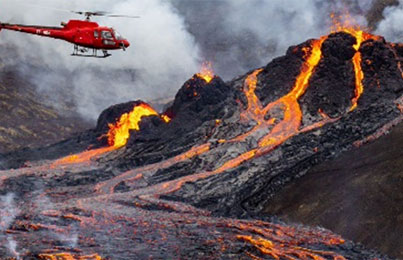
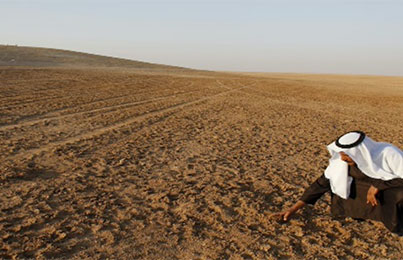
- Year 8 will begin by explore two contrasting locations from within Europe, studying Spain first and following with Iceland. While these locations share a continent, they have a hugely different Geography and yet both continue to make considerable amounts of revenue through tourism.
- Having explored these contrasting locations in Europe, we will move students onto looking at two comparable locations that exploited their natural resources for profit. While Russia and Syria may seem very different Geographically, students will be able to delve into why they have chosen to harness their natural environment and how that has led them into conflict internally and internationally.
- By the end of Year 8, our students will have explored four locations that will provide them with comparable human responses to the physical resources of these countries. The conflicts explored will also challenge students to demonstrate their understanding of complex issues that do not have a simple solution.
- Students will be introduced to the concept of ‘Prisoners of Geography' identified by Tim Marshall. This challenging and contemporary idea develops our knowledge-rich curriculum by allowing students to tackle current issues facing the world. In Year 8 they will look at sustainable tourism and how natural resources bring both opportunities and problems in relation to energy management.
Our Year 9 Curriculum
- Year 9 is designed to continue students' progression in their study of Geography while preparing them to make an informed decision for the next key stages in their education. Driving Year 9 are questions around the development of countries socially and the impacts of political policy on the well-being of people.
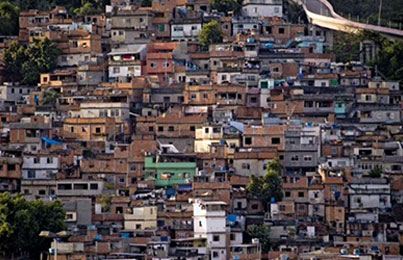
- This year focuses heavily on countries with vastly different approaches to aspects of society and governance. India, Japan, China, Brazil and South Africa have all recently been through periods of profound social change and this makes them suitable comparisons to the UK so students can begin to appreciate why our British values are so important to them as individuals and how these contrast to different places.
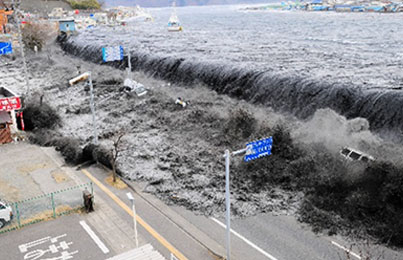
- Year 9 will continue the student investigation into the ‘Prisoners of Geography' concept through a number of synoptic units comparing and contrasting places studied. In Year 9 these will focus on responses to natural disasters and economic inequality.
- Our final synoptic unit will allow students to demonstrate all the knowledge and skills they have gathered over the three-year course while ensuring they have a well-rounded view of their place in the World as well as being able to appreciate our country for the opportunities it provides.
- Students will finish the key stage three course with an in-depth knowledge of the key concepts of Geography and having explored multiple differing locations across the globe. Those choosing to continue Geography into key stage 4 will have a strong foundation in Geographical knowledge and skills which they can apply to GCSE without having to repeat content. The final unit in Year 9 is introducing the students to a range of solutions currently being implemented across the world and how they can be responsible and proactive custodians of the Earth.
KS4
At KS4 the Geography curriculum will develop and improve upon the skills learned at KS3. The students will study a range of both human and physical Geography topics that will give them a good knowledge of the issues facing our society and their role in the world. The curriculum is designed to give students a positive engagement with the local community through fieldwork to local areas and classroom-based learning of modern and relevant case studies. KS4 Geography encourages students to think critically about the world, their local area and humanity's role in it. Through links with other subjects we aim for skills to be embedded and applied consistently so that learners can tackle a range of geographical problems with confidence.
Students will be given regular formative and summative assessment and the opportunity to study exemplar responses. Like KS3, we will encourage students to reflect and review their learning to promote independent study and prepare them for the next transition into further study or employment.
GCSE Geographers follow the AQA Specification leading to a full GCSE qualification at the end of the course in Year 11. Students are assessed wholly via written examination, based on three examination papers:
- Paper 1 - Living with the physical environment.
- Paper 2 - Challenges of the human environment.
- Paper 3 - Geographical applications.
As part of their course, students will study a range of case studies and events ranging from typhoon Haiyan to concerns with energy usage in the Nepal. Students are also required to undertaken 2 days of fieldwork, the skills they acquire are used and applied to questions on Paper 3. Decision making skills are embedded throughout the course, students will be issued with Pre-release decision making examination material from AQA for use in Paper 3 examination.
History Curriculum

KS3
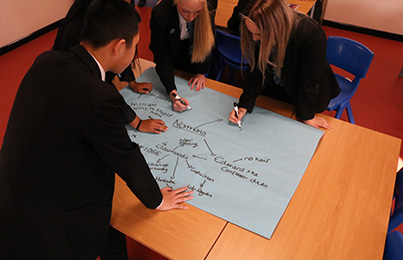
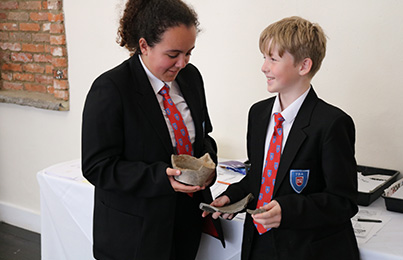
The History Curriculum promotes the understanding of our shared past and prepares students for entry into modern Britain. We intend to develop students understanding of the wider world and situations that have led to our current political, cultural and economic climate. We want to give students a broad understanding of History through ancient time to the 20th century so that all students leave us with a deep understanding of who we are and how we got to where we are today. Key to this will be giving our students a meaningful understanding of how historians form opinions of the past and giving them all the necessary tools to create their own.
In History we want to broaden the horizons of our students and look at a range of other cultures and their impact on societies. We aim to tackle complex issues such as the role of race and gender and topics such as migration and war. We intend to deliver topics that are appropriate for each key stage and for students across all stages of their History education to develop an understanding of how to contribute to society today. We intend for students to gain a good understanding of a range of issues that will allow them to become active and engaged members of modern Britain. We wish to introduce them to key British ideas such as democracy, tolerance and empathy.
We will do this through the study of a range of governments from Norman and Roman England through to Hitler’s Germany. In addition, we also wish to impart to our students a range of skills that will help them in the wider world and the transition to the next key stage of their education. These include being able to study multiple viewpoints, from eminent historians, before making a considered judgement and being able think critically about the information they are presented with. In a world where learners are gaining more and more information from unreliable sources we believe this is a vital skill for their active engagement with British Society. We also wish to create learners who are able to apply these skills independently and with confidence both in the classroom and ultimately when leaving us in KS4 or KS5.
At Tollbar Academy we will consistently revisit the following themes:
- Belief Systems: Both religious and ideological beliefs, how these drive change, conflict and underpin history from ancient times to the present.
- Monarchy and Power: How the role of those in power has changed, the causation and consequence of decisions made by rulers and ruled.
- Conflict and Change: How revolution, war and social conflict has driven change in both Britain and the wider world. How Similarity and difference between conflicts has brought about social reform.
- Local Significance:b> In depth knowledge of the history of Grimsby, Lincolnshire and Northern England. Giving students an awareness of the significance of where they live.
- Ordinary Lives: Social history with a focus on the individual level of human lives. An understanding of how events and change impact societies throughout history.
- Empire, Colonisation and Migration: The role of Britain’s colonial history, the contribution of Britain to world history. Migration’s significance in driving the expansion of ideas, beliefs and peoples.
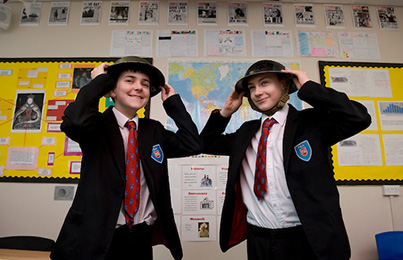
Year 7
- In Year 7 our curriculum establishes a key foundation for students as they progress through their study of History. Our very first topic will give students an insight into how Historians work and these skills will be practiced and embedded as they move through the year.
- Year 7 will also explore a number of key ‘themes’ such as ‘Who are the British? and the relationship between the monarchy and their people across British History. Students will learn how the work of significant individuals has the potential to dramatically alter the past through in depth studies of peoples like Eleanor of Aquitaine, Oliver Cromwell, Alfred the Great and Havelok the Dane.
- Our locality is very important to our History curriculum in all key stages. In Year 7 learners will explore the foundation of Grimsby as a Viking longphort and how medieval rulers changed Lincolnshire. We give our students a sense of the importance of their local community both in the past and present.
- The curriculum introduces students to a range of historical interpretations from eminent historians such as Lucy Wolsey and Richard Rex and gives the students the tools to effectively evaluate their views.
- Year 7 explores a number of interesting and engaging fertile questions. Students will engage with these complex issues throughout the curriculum, building to a synoptic focus on monarchy and power throughout British History which will push learners to reflect upon and revisit the curriculum as a whole.
Year 8
- Our Year 8 curriculum builds upon the key concepts established throughout Year 7 and students will continue to explore and analyse these as they approach a new range of enquiry questions.
- Year 8 will explore both Britain and the wider world as students are exposed to new cultures and identities as they follow a number of narratives throughout History. From the beginning looking at Pre-Colonial Africa through to Slavery, Empire and the development of modern Russia and the current Ukrainian Conflict.
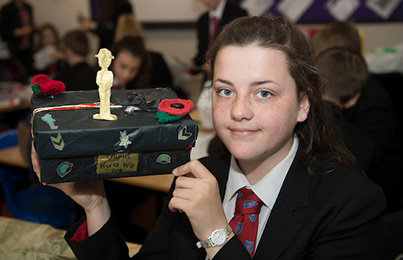
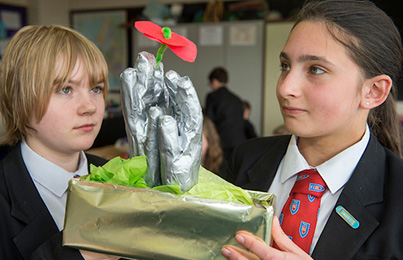
- Our locality remains highly important throughout Year 8. Studies of the First World War will focus on the famous Grimsby Chums and impacts on Grimsby and Lincolnshire will be analysed across all topics. The narrative of migration and multiculturalism will be explored in greater depth looking at both ‘forced’ and voluntary movements around Britain and the Empire and its role on creating modern Britain.
- By the end of Year 8 our students will have explored The British Empire, Transatlantic Slave Trade, Industrial Revolution, The Suffrage movement, The First World War and the development of modern Russia. They will have seen how revolutions have brought about change, how ‘ordinary’ people have challenged governments and ideological beliefs have developed as a result of Britain’s relationship with the world.
Year 9
- Year 9 is designed to continue students progression in their study of History and prepare them for the next key stages in their education. Driving Year 9 are questions on the rise of extremism and what happens if this remains unchecked through a study of Nazi Germany, building to Holocaust survivor talks for the students at the end of Year 9.
- The narrative of ordinary lives remains highly significant as students will assess if German people were coerced or consented to Nazi rule. Belief systems will give students a depth knowledge of extremist ideology of both the far right and far left to give our learners the faculty to challenge the growth of dangerous thought in their modern lives.
- Local significance remains at the forefront of what we cover, Grimsby during the Second World War is covered as is the impact of government policies on the town post 1945. Conflict as a driving force of change will be evaluated through studies ranging from the Cable Street Riots through to Brixton in the 1980s and the 2016 Brexit Referendum.
- Students leaving us in Year 9 will have left with a chronological understanding from pre-1066 Britain through to the 21st century, those choosing to continue History into key stage 4 will have a strong foundation in historical knowledge and skills which they can apply to GCSE without having to repeat content. They will end the Year addressing a the credibility of a challenging and engaging historical theory on whether we are at the ‘End of History’.
KS4
The KS4 History curriculum is designed to reinforce and build upon the skills embedded at KS3 whilst stretching and challenging our learners. The students will study a range of topics which will give them a greater understanding of the challenges facing us today, and equip them with the skills to meet these. The curriculum is designed to provide ongoing engagement with the local area such as the study of Grimsby as a Viking Longport or Lincoln Castle and Cathedral and their purposes in Norman England. We aim to continue to promote the historical engagement students will have taken from KS3 whilst giving them a more developed understanding of multi-cultural Britain. KS4 History will teach students to think critically about information they are provided with through analysis of a range of historical interpretations.
Students will be given regular formative and summative assessment and the opportunity to study exemplar responses. Like KS3, we will encourage students to reflect and review their learning to promote independent study and prepare them for the next transition into further study or employment.
In GCSE History, students follow the AQA GCSE History curriculum, leading to a full GCSE qualification at the end of the course in Year 11. Students are assessed wholly via written examination, based on two examination papers:
- Paper 1: Understanding the Modern World.
- Paper 2: Shaping the Nation.
As part of their course, students will complete a depth study on Germany (1890-1945), a wider world depth study on Conflict and Tension (1918-1939), a thematic study of Migration, Multiculturalism and the British Empire, and a British depth study on Norman England (c1066-1100), including the study of a specified historical site.
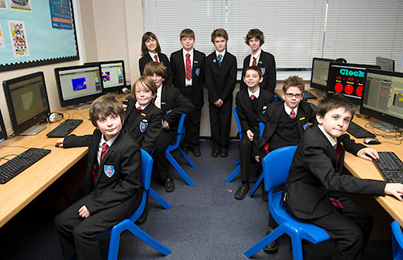
ICT Key Themes
- Programming - Writing computer code to create a program, to solve a problem. Programs are created to implement algorithms.
- Algorithms - To plan, a logical step-by-step process for solving a problem. Algorithms are normally written as a flowchart or in pseudocode.
- Design - The planning and layout of elements in an image, illustration, or video with the aid of specialized software.
- Research - The ability to access information using resources provided ensuring plagiarism guidelines are met.
- The safe use of the internet - To ensure all students have a clear understanding of the potential risks and dangers of the internet understanding how they should be dealt with.
- Office Skills - To have a clear understanding of all the pieces of software found within the office suite including Microsoft word, power point and excel.
- Logic – To help promote computational thinking ensuring students understand the processes used by a computer.
KS3
Year 7
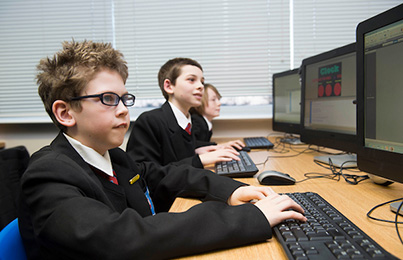
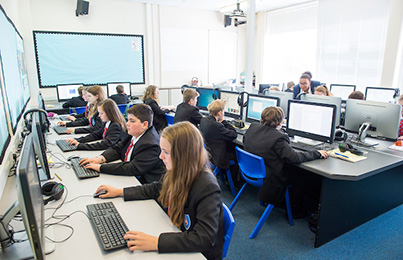
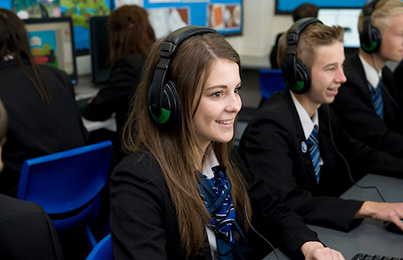
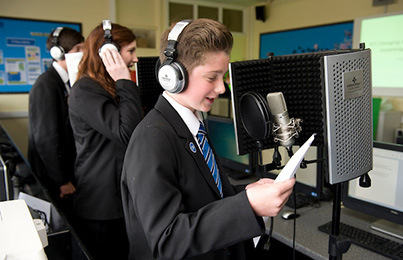
Our curriculum in ICT will help students to develop and equip them with skills to help utilise their time within education and their future chosen careers. We offer a knowledge rich curriculum that develops a number of specific software skills, developing composite knowledge such as office skills and block-based programming. As well as specific software skills our curriculum also enables students to further develop an ability to problem solve, organise, research, plan and evaluate when completing project-based research activities.
We have developed our curriculum based on the varied range of component knowledge students may already possess from KS2, offering all students an equal opportunity to succeed whether they have completed ICT at primary school or not. The curriculum has also been designed to ensure challenge to the students who have previously studied the subject making this an ambitious curriculum which not only makes links to both Computer Science and Creative imedia but offers opportunities to develops skills that will benefit them both in education and the wider world.
The first major topic students encounter at the academy is E-Safety which develops the required component skills to ensure they remain safe online. This is an important topic to ensure students can identify and appropriately deal with a wide range of potential situations both in school and at home, allowing them to think about things such as grooming, cyberbullying, online presence and accessing social iMedia.

Year 8
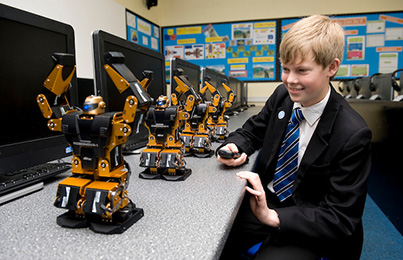
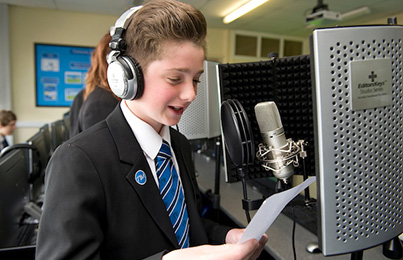
Our Year 8 curriculum continues to build upon the knowledge established throughout Year 7 and students will continue to explore and develop these skills as they progress with their studies. We offer a knowledge rich curriculum that further develop and introduces a wide range of specific software skills which are more challenging than those previously studied, building on the composite skills developed during year 7, an example of this would be the progression from block-based programming to text based programming which allows challenge for all students, while continuing to further develop problem solving, programming and analytical skills when completing and debugging code, this will show skills used in the real world and how programmers actual work which will provide future career opportunities.
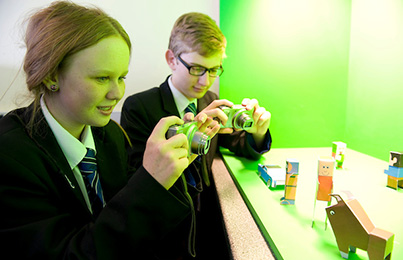
We have developed our curriculum based on the varied range of component knowledge students may already possess from KS2 and in year 7, offering all students an equal opportunity to succeed regardless of existing prior knowledge. The curriculum offers fun and engaging projects and offer a wide range of component skills including Python, digital graphics and animation. These topics have been chosen to develop on the skills already built-in year 7 such as understanding the process for completing a project including research, plan, create and evaluate, making this an ambitious curriculum which not only makes links to both Computer Science and Creative Imedia but offers opportunities to develops skills that will benefit them both in education and the wider world.

Year 9
Our Year 9 curriculum continues to build upon the knowledge established throughout Year 7 and Year 8, students will continue to explore and develop skills as they progress with their studies. We offer a knowledge rich curriculum that further develop and introduces a wide range of specific software skills which are more challenging than those previously studied, building on the composite skills developed during year 7 and 8. Building on skills learnt from both block and text-based programming using the techniques and methods accumulated to create their own website using different website creation software as well as HTML code. The ability to use HTML and create websites provides them with future skills such as resilience, problem solving, troubleshooting and organisation all of which will be crucial for both school and the wider world. Students will be offered opportunities to use software which is used in the wider worlds and in industry including photoshop, developing key design skills and further building upon the composite knowledge established during year 7 and year 8. The project completed with photoshop will allow students to develop an understanding of the process required to successfully complete a project that simulates a client based working environment.
Our curriculum offers a number of engaging, fun and challenging projects that offers a pathway to both iMedia and computer science developing an initial understanding of the topics covered within GCSE Computer Science this will involve students learning content such as networks, binary which develop skills learnt in year 7, while also further developing programming skills taught within year 8 enabling them to successfully access the computer science content when it is implemented as part of the options changes or use in future careers or in further education. A number of external opportunities are scheduled within the Curriculum in order to offer support and links to future career opportunities and the wide range of careers within the local area including software engineer.
KS4
This course is a Cambridge National in Creative iMedia which equips students with the wide range of knowledge and skills needed to work in the creative digital media sector. They start at pre-production and develop their skills through practical assignments as they create final multimedia products. This is a practical subject which involves planning, creating, and reviewing multimedia products.
The 3 units of study will include:
- R081: Pre-Production Skills - Students are introduced to a range of essential pre-production techniques used in the creative and digital media, including client brief, time frames, deadlines and preparation techniques.
- R082: Creating Digital Graphics - Building on the skills and understanding that they have developed in the previous unit, students explore where and why digital graphics are used and the techniques that are involved in their creation. They apply their skills and knowledge in creating digital graphics against a specific brief.
- R087: Creating Interactive Multimedia Products - Students develop their knowledge and understanding of about where and why different interactive multimedia products are used and what features are needed for a given purpose. They learn how to interpret a client brief, and how to use time frames, deadlines and preparation techniques as part of the planning and creation process.
 To create opportunities and develop the confidence to excel - together.
Mathematics
- Curriculum Leader: Mrs. J Leshone
Aims of our Curriculum:
- Engage and inspire pupils to develop an appreciation of Mathematics and its purpose and importance in the world.
- Enable pupils to articulate their misconceptions and ideas using correct mathematical language and notations, so that pupils develop conceptual understanding and the ability to recall and apply knowledge rapidly and accurately.
- Empower pupils to develop their thinking and reasoning power, so they can successfully tackle increasingly complex problems (including in context problems they may encounter in adult life), making connections and using a variety of procedures.
- Ensure all pupils understand and remember the mathematical knowledge, concepts, and procedures appropriate for their start points, so they are ready for their next stage, whether that is the next maths lesson, unit of work, year, key stage or post sixteen opportunities.
- Excellence for all pupils particularly those who are disadvantaged or with SEND; We aim for all pupils achieve well in national tests and examinations compared to their peers nationally and are provided with the opportunity to maximise progress compared to their start points.
How we Researched our Curriculum:
We have considered OFSTED research on the subject and research studies to help us plan our curriculum.
- NCTEM research on Mastery in Maths: Teaching for Mastery and Mastery Explained.
- Education Endowment Foundation Maths Guidance KS2/3: Maths Guidance and Maths in Context.
- OFSTED Research Review Series - Mathematics.
- Visits to Dixons Academies Trust to research the Trust wide Maths curriculum, see document below named Maths Curriculum Intent.
- Visits to Kingswood Academy to research their approach to the Maths curriculum.
Building on Prior Learning:
We have considered the requirements of the KS1/2 National Curriculum programme of study (below) to help us plan our curriculum. We have also worked with local primary schools Waltham Leas and Scartho Junior Academy, and our Trust primary schools to ensure we build upon the knowledge, skills and understanding developed in KS1/2.

Our Curriculum Journey Year 7-11

Subject Concept Curriculum Summaries


Embedding Mathematics Knowledge Through Practice at Home
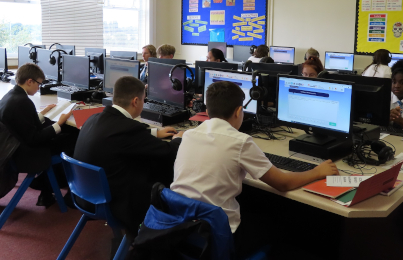
Within our curriculum there are opportunities to revisit previously learned knowledge, concepts, and procedures. However, to maximise success we provide the opportunity for pupils to revisit learning and practice new learning at home. We do this using Sparx Maths which personalises home learning for our pupils and helps to develop the practice culture which builds deep knowledge, skills & understanding at Toll Bar Academy. We aim to ensure pupils regularly receive home learning practice that is both achievable and challenging. This means they experience success as well as being stretched by harder questions.
Intent
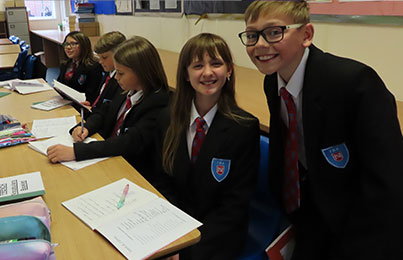
The focus of our curriculum is centred on the development of pupil’s communication skills, self-efficacy, strong and durable retention of language, independence and autonomy. Our main focus is on the depth of learning and the long-term retention of the 3 pillars of learning – vocabulary, phonics and grammar – and ensuring that students are committing the language and skills they are taught into their long-term memory. Through this they will learn how to manipulate grammar to allow them to personalise information and retain core phrases that can be reused in a large number of real-life situations. With this knowledge and confidence, they will become resilient and competent linguists.
Our KS3 languages curriculum is knowledge-rich in both skills and language. The KS3 SOW is cyclical in terms of grammar and vocabulary/structures with topics and skills being revisited regularly in order to recall and build upon prior knowledge. Pupils will develop an extensive core of vocabulary and grammatical structures which will be learned and regularly practised and retrieved, so that they are confident communicators.
The aim is to create a well-rounded linguist but also make languages enjoyable by building confident, successful linguists. As there are clear educational, personal, cultural, social, career and business benefits in being able to communicate in a foreign language, at all Key Stages, students are taught to communicate effectively in all four skills – reading, writing, listening and speaking. The invaluable communication skills and creativity developed through learning a foreign language will foster a deeper understanding and appreciation of other cultures on a local, national and international stage.
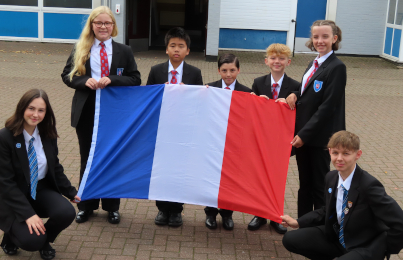
There is ambition and opportunity for all pupils to study a language up to the age of 16. Every student is studying either French or Spanish up until the end of Year 9, then students are encouraged to choose to study languages at GCSE level as part of a strong EBacc offer.
We want students to have a curiosity and fascination in discovering the world and its people, as well as having an interest and intention to travel in order to deepen their understanding of different cultures and societies. We therefore aim to incorporate as much human interest and culture into lessons as possible and provide students with many extra-curricular opportunities and real-life experiences including plays, restaurant visits, fêtes, Hispanic and Francophone days, EDoL, Day of the Dead and many more. Through this, we hope to provide students with an experience and acceptance of other cultures, and an enjoyment of and inquisitiveness for another language and its culture. In order for our students to be a success in the wider community we feel it is important for them to appreciate other cultures and other parts of the world.
Considering the local context of N E Lincolnshire, it is vital for our students to learn an additional language to promote opportunities for our students to either work for local industries that have an international outlook or work in other regions of the world.
KS4
GCSE in Spanish or French (Examination Board: AQA) - will be assessed in all four skill areas using traditional exams at the end of the course.
The assessment will be weighted:
- Writing Examination - 25%
- Speaking Examination - 25%
- Reading Examination - 25%
- Listening Examination - 25%
KS3
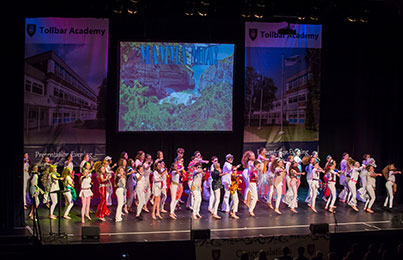
At Waltham Toll Bar Academy we will consistently revisit the following themes in Music:
- Performance: Either solo or ensemble performance to peers and assessors, using accurate rhythm and melody with expression.
- Composition: Reflecting on a stimulus, the creation of either melodic or rhythmic creation, using either standard score notation or graphic score.
- Critical Listening: Using the musical elements to articulate what devices have successfully employed in a composition.
- Musical Elements: Rhythm & Metre, Melody, Rhythm, Texture, Dynamics, Structure & Form, Harmony, Tonality and Timbre.
- Motor Skills: Development of accurate forming of melodies/chords on a keyboard/ukulele and motor skills on a djembe/samba instruments.
- Score Reading: Accurate reading of treble clef notation, later bass clef, and transferability to performance on an instrument.
Year 7
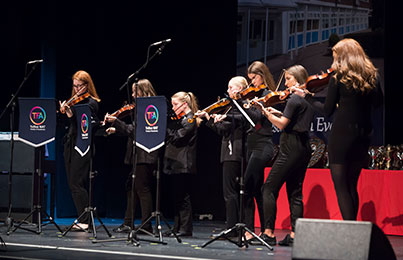
- Within our Year 7 curriculum, we divide the students’ skills into three distinct, yet intertwined disciplines – Performance, Composition and Critical Listening (in line with the National Curriculum. Every scheme of work will have elements of each discipline to progress naturally throughout KS3, in preparation for a smooth transition to KS4 and beyond.
- Students first of all explore the foundations of all music making through the exploration of the musical elements. These musical elements are discussed throughout the entirety of KS3 and beyond.
- As well as this musical knowledge and skill, we are keen to address social and cultural demands on our curriculum. Instilling a sense of our British Values, showing empathy to others when performing, creating a sense of self-discipline when rehearsing.
- We also explore the cultural contexts of the genres we explore, particularly our World Music topics, enriching the understanding of our student’s perception of diversity and inclusivity in our day to day lives.
Year 8
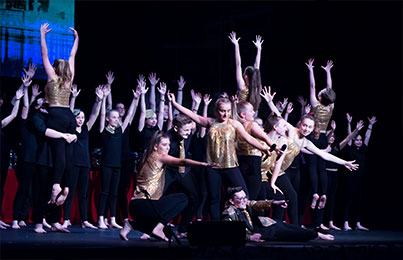
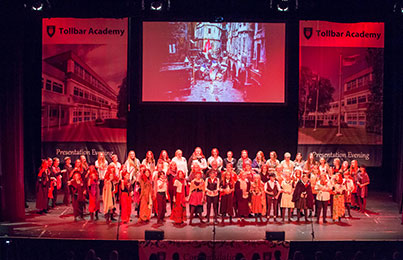
- Within Music, our Year 8 curriculum is designed to build upon the key concepts established throughout Year 7 and Key Stage 2 studies and address these from different perspectives.
- As well as in Y7, students will also a range of eclectic genres, styles and skill disciplines, however, at this stage, we are expecting our students to be more focussed over their skill set as a performer and being able to critically listen to a performance and understand the process involved in the construction and emotional response.
- Year 8 students still use the basis of the three disciplines – Performance, Composition and Critical Listening, in their lessons, but now with a broader and more cohesive sense of how these are intrinsically linked.
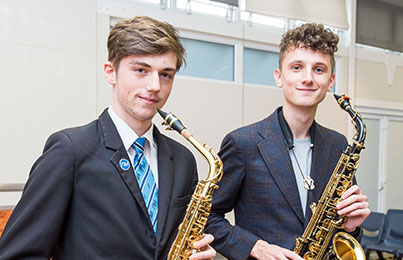
- Students will have an opportunity to explore a range of instrumentation techniques whilst being made aware of the interchangeable skills that can be transferred from one instrument to another.
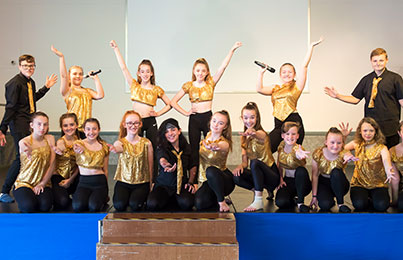
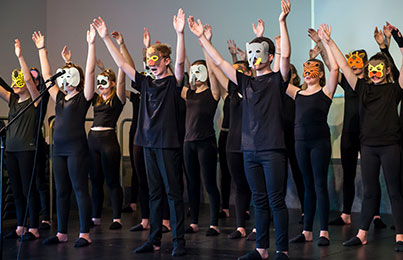
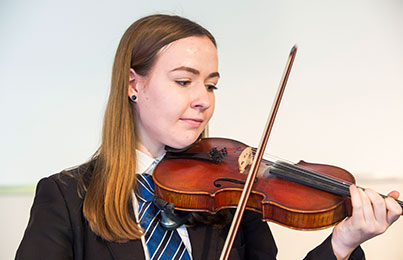
Year 9
- The three year curriculum programme at Waltham Toll Bar Academy is cyclic one. Over the three years, students revisit key skills in the guises of different genres and styles. Students are constantly building on previous well sequenced skills to progress onto KS4 and beyond.
- As well as the obvious musical skills we are developing in Y9, we also focus on the interpersonal skills, instilling our British Values.
- By the end of Y9, students should be able to critically analyse their own/peer performances using the musical elements effectively. Creating an action plan moving forward to the next level of technical and emotional proficiency.
- Throughout their studies of Music within Year 9 students will be prepared for their future studies at GSCE level by developing many of the key skills required for GCSE Music.
Intent
At Waltham Tollbar Academy the Physical Education curriculum is designed for students to build on and develop the fundamental skills that are taught across Key Stage 2, encouraging each individual to make progress and realise their potential through opportunities. This is achieved through tailored learning experiences and careful sequencing of the curriculum. This in turn allows students to become more competent and confident in their physical techniques, applying them across a wide range of sports and physical activities in a safe environment in order to achieve their best.
We aim for all students to develop values such as fairness and respect as well as create opportunities to develop personal and social skills such as; communication, co-operation, leadership, tolerance, respect and the ability to solve problems and evaluate themselves and others. Through lessons students have the opportunity to develop knowledge and appreciation of rules and regulations, as well as the awareness of safety considerations when exercising in addition to developing techniques, tactics, knowledge and understanding across the wide range of activities offered.
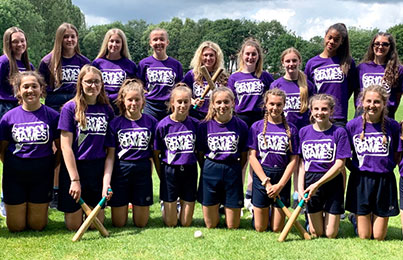
Students are encouraged to develop the links between current issues in the local area and society, such as equality, opportunities and the impact of fitness on the health of the individual and the nation. We offer activities that challenge common misconceptions by including football, netball and rugby for all students regardless of gender. We foster links with local sports clubs to enable students to become familiar with opportunities in the community in hope that they will continue to engage in physical activities beyond their stay Academy.
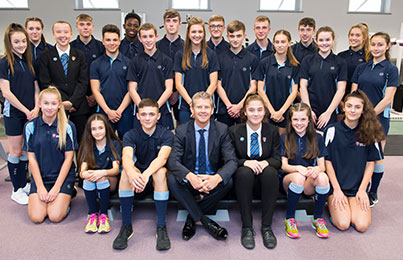
There is a comprehensive range of extra-curricular activities and inter house events throughout the year which open to all students. These give students the opportunity to develop their skills and techniques further and there is potential to represent the Academy against other schools and compete at district, county and national level, allowing them to excel further. As well as opportunities to progress as a performer, students have the chance to develop their leadership skills by completing a Sports Leaders qualification in year 9 and year 10.
KS3
Students complete a series of baseline tests in year 7 which allows the students to be placed in a group that is suitable for their ability level. All groups complete the same broad range of activities that include team sports and individual activities in a competitive non-competitive context. Students develop an appreciation of aesthetic qualities in movement (dance and gymnastics), teamwork and co-operation in games activities and the ability to make personal improvements (in athletics). In year 7, 8 and 9, students are building on the basic fundamental movement skills and techniques as well as developing their knowledge of rules across a wide range of sports.
During year 10 and 11 students are consolidating skills and developing more advanced techniques and tactics in Key Stage 4. The PE curriculum is coherently planned and sequenced to ensure that every child has access to a broad and balanced range of activities. The sequencing is modelled around access to our facilities that include a sports hall, 2 smaller gymnasiums, a fitness suite as well as numerous hard courts and grass pitch options.
KS4
At Waltham Tollbar Academy we offer the option to study sport as a qualification in Year 10 and 11. The Academy runs two qualifications at KS4:
- GCSE Physical Education – Delivered via AQA.
- Level 2 BTEC Technical in Sport - Delivered via Pearson Edexcel.
Both these courses allow students to gain a more in depth understanding of how the body works, how physical activity affects the body, the psychological aspect of sport and how sport is affected by issues in society.

Key Themes
At Waltham Toll Bar Academy we will consistently revisit the following themes in RE:
- Beliefs: The study of what different world views and individuals believe and why they possess these beliefs.
- Practices: What individuals and specific groups do in order to live out their beliefs. Often connects with beliefs as beliefs very commonly influence practise.
- Diversity: Appreciating concepts such as tolerance and equality and reflecting upon the need for a more diverse and respectful society.
- Impacts upon Society: Assessing the impact that certain beliefs and practices can have on an individual’s life, society in Britain and the global community.
- Ethics: Exploration of what we might consider to be right and wrong and an appreciation of the range of different approaches to moral dilemmas.
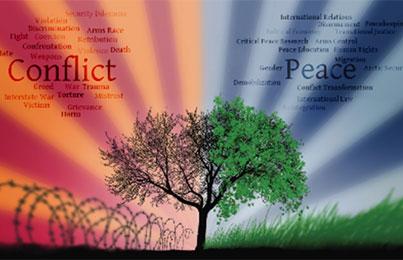
- Peace and Conflict: Analysis of various approaches linked to the need for peace and both how conflict can occur and be resolved.
Our Year 7 Curriculum
- Within our Year 7 curriculum, students are encouraged to explore some of the key beliefs and practices linked to a variety of world views as well as engage with a range of different key themes such as equality and helping others.
- In RE Year 7 students will have the opportunity to delve into key concepts such as inspirational attributes through study of topics such as Inspirational People. Through these topics students will be able to reflect upon the centrality of these themes in other’s lives.
- Students will not only be able to learn and analyse core beliefs and practices, they will also be able to discuss how these have influenced British society and life within the local Waltham Toll Bar area through references and discussions based around local places of interest.
- Studies within Year 7 will allow students to discuss and address a wide variety of thought-provoking and deep questions and themes through lots of different teaching methodology.
Our Year 8 Curriculum
- Within RE, our Year 8 curriculum is designed to build upon the key concepts established throughout Year 7 and Key Stage 2 studies and address these from different perspectives.
- Waltham Toll Bar Academy students will begin Year 8 with an in-depth analysis of global issues related to the environment and animal welfare. We encourage students to interact with the news and current affairs inside and outside of lessons to further inform their arguments on this topic and to incorporate real life examples.
- Year 8 students will have the opportunity to explore the core beliefs and practices of three major worldviews: Humanism, Judaism and Hinduism. This combination encourages students to interact with a wide range of belief systems that are often contrasting in nature and to be able to draw comparisons effectively between these.
- Students will have the opportunity to cast an analytical eye over the role that faith has played and continues to play in Britain today. This encourages students to understand the society in which they are growing up in and encourages them to consider certain aspects of society in more detail.
Our Year 9 Curriculum
- Within RE at Year 9 students continue to revisit and build upon the themes they become familiar with throughout Years 7 and 8. These themes are explored through a range of different questions including an in-depth study of issues related to Peace and Conflict.
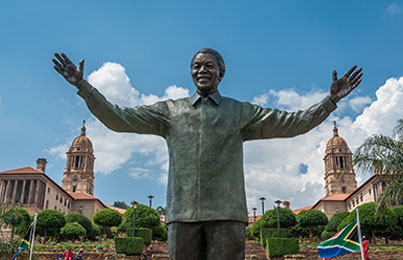
- Students will be able to explore the core beliefs and practices of two further worldviews in Year 9: Buddhism and Sikhism. This will allow students to have a well-rounded exploration of major worldviews by the time they finish their studies of RE in Year 9.
- Year 9 concludes with an inspiring and thought proving question: “do we need religion to be good?”. Through a study of different approaches to this question students will be able to assess their moral outlooks on life in a critical fashion.
- Year 9 RE allows students to grapple with some controversial and thought-provoking issues that students will encounter through the news such as extremism and terrorism, prejudice and discrimination and warfare. Students have the opportunities to deeply explore these issues with references to real-life examples.
- Throughout their studies of RE within Year 9 students will be prepared for their future studies at GSCE level by developing many of the key skills required for GCSE RE alongside other qualifications.
Key Stage 4:
At Key Stage 4, students are able to complete a full course GCSE qualification in Religious Studies. There is no coursework element to the GCSE Religious Studies course, with assessment taking place via three written examinations at the end of the course.
As part of the GCSE Religious Studies course, students develop their knowledge and understanding of different faiths, non-religious viewpoints and a wide range of moral and ethical issues. They complete an in-depth study of two world faiths - Christianity and Hinduism, exploring the beliefs, teachings and practices of each. They also explore four separate themes; Relationships, Life and Death, Human Rights and Good and Evil.
The GCSE course is assessed by three written examinations:
Component 1: Religious, Philosophical and Ethical Studies in the Modern World.
- Written Examination: 2 Hours.
- 50% of Qualification.
Component 2: Study of Christianity.
- Written Examination: 1 Hour.
- 25% of Qualification.
Component 3: Study of a World Faith - Hinduism.
- Written Examination: 1 Hour.
- 25% of Qualification.
Through their studies in this curriculum area, students are able to:
- Adopt an enquiring, critical and reflective approach to the study of religion.
- Reflect on fundamental questions and respond to them personally.
- Enhance their spiritual and moral development.
- Enhance their personal, social and moral development and develop their understanding of different cultures locally, nationally and in the wider world.
- Develop their interest in and enthusiasm for the study of religion, and relate it to the wider world.
- Reflect on and develop their own values, opinions and attitudes in the light of their learning.
KS3
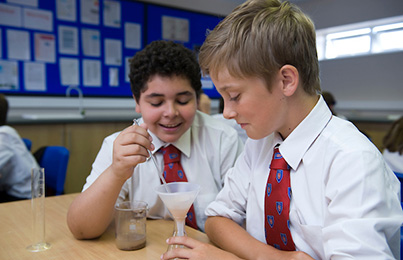
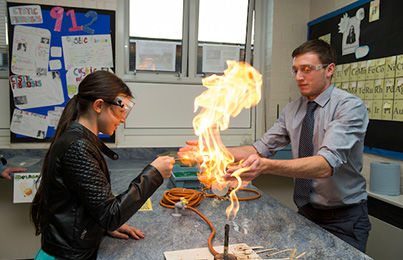
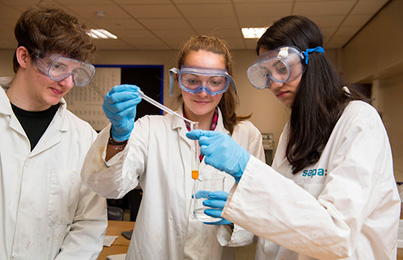
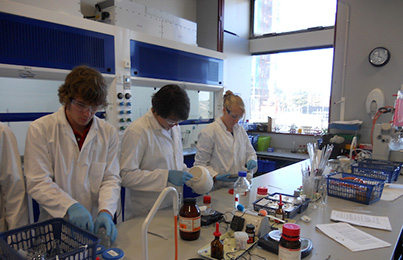
In science we deliver a curriculum that focuses on the skills and knowledge required to be a successful scientist. With this in mind an ambitious knowledge rich curriculum has been designed focusing on the fundamental substantive knowledge that underpins the scientific principles we encounter in everyday life. The curriculum is mapped and sequenced to allow the gradual build up of knowledge over time using key pedagogical techniques, such as the Rosenshine’s principles of instruction to ensure that every student can develop the confidence to excel. The curriculum has been designed in such a way that it spirals and new knowledge and skills build on what was previously taught which is in line with cognitive learning theory.
Careful consideration has been put into the curriculum to focus on the challenges and opportunities in North East Lincolnshire and the associated career pathways that Science can lead to. Waltham Tollbar is very fortunate that it sits on the Humber Bank and provides many industrial links to renewable technologies and the chemical industry. We take every opportunity to increase the student’s cultural capital and shape the students’ sense of ethical values by giving them an opportunity to understand and discuss the impact of scientific developments on society. Reading plays a large role in this and we embed scientific articles into the schemes of work to broaden and deepen students’ engagement with science. In Science we understand that to be a good scientist does not mean to just build knowledge but to also build their disciplinary skills. Our focus on How Science Works ignites curiosity and promotes questioning the world in which we live in whilst enriching their data analysis, experimental and investigative skills.
Through quality first teaching we ensure that every student has the opportunity to excel.
KS4
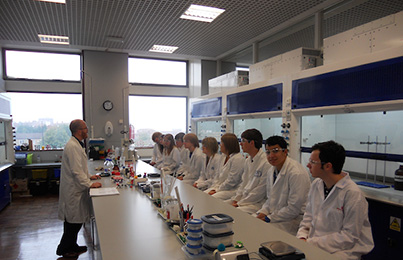
The Twenty First Century Science (OCR) suite studied at Waltham Toll Bar Academy comprises three subjects which share common material, use a similar style of examination questions and have a common approach to skills assessment.
- GCSE Biology covers the major animal and plant systems in a traditional way, but also introduces the students to important breakthroughs of recent years, such as cloning and genetic engineering. Topics include: food and ecosystems, life on Earth, the human body, using food and controlling growth and genes.
- GCSE Chemistry aims to give students a sound knowledge base, as well as industrial and practical applications of chemistry. Topics include: air and water, chemical patterns, chemicals of the natural environment, material choices, chemical analysis and making useful chemicals.
- GCSE Physics provides students with a thorough knowledge of the subject, and develops their understanding through the use of examples taken from a modern everyday context. Topics include: forces and motion, electricity and electrostatics, the electromagnetic spectrum, light and sound, and radioactivity.
- GCSE Combined Science combines Biology, Chemistry and Physics and emphasises scientific literacy - the knowledge and understanding which students need to engage as informed citizens with science-based issues. It features many of the major scientific theories in a way that encourages students to appreciate their importance in everyday life. The course also explores how scientific information is obtained, how reliable it is, what its limitations are, and how this information helps society to make important decisions.
KS3
Key Themes
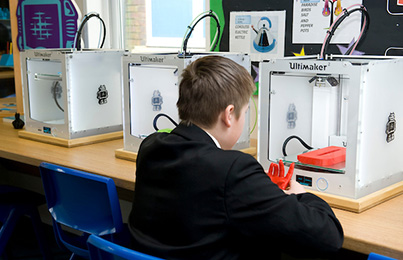
- Sustainability: How to become a sustainable designer, alternative materials and processes that can reduce the negative impact on the environment.
- Identity and Culture: Defining who are we and what we do. Learning how we represent other cultures respectfully.
- Practical Life Skills: Allowing students an opportunity to develop skills that can support them beyond the classroom. Allowing students to become confident problem solvers, using a wide range of materials and equipment.
- Local Area: Researching the local community and the wealth of resources surrounding our local area. Consider the use of local artists from Grimsby, Cleethorpes such as Francesca Young who celebrate the beautiful area in which we live in.
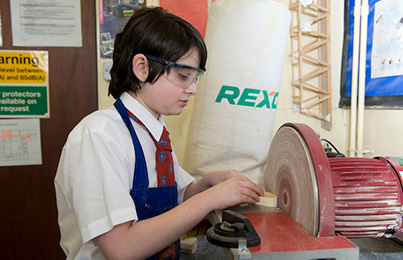
- Health and Safety: Understanding how to operate a range of tools and equipment safely, allowing students to become familiar with risk assessing their tasks and working safely independently.
- Design Process: In the classroom and industry, designers and manufacturers follow the design process; to research, design, make, test and evaluate. These skills allow for a strong foundation to achieve success through constant reflection and development.
- Health and Nutrition: To understand the importance of a healthy life through understanding nutrition and body requirements. The negative impact of not following a healthy nutritious diet. Students will then be able to make better choices within their projects and understanding of ingredients.
- Industry and Manufacturing: Design and Technology encompasses many industrial processes. To understand how products are produced in industry especially those locally. Allowing students to understand how they can have an impact on the wider world post education.
- Material Knowledge: Students will be continuing developing their understanding of a range of materials. This will allow students to make better choices of materials when designing products to understand their properties and suitability to their products.
Year 7
Throughout Year 7 our curriculum establishes a knowledge rich foundation and development of skills that students can utilise as they progress through their study of design and technology.
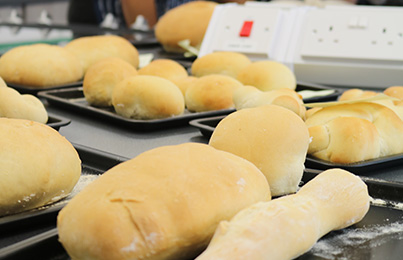
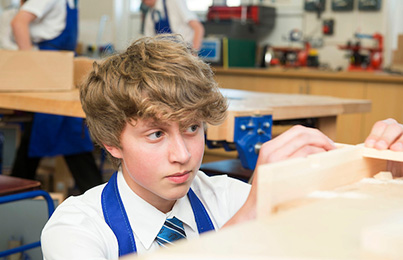
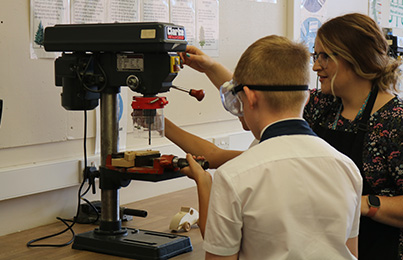
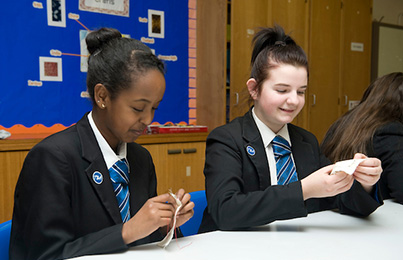
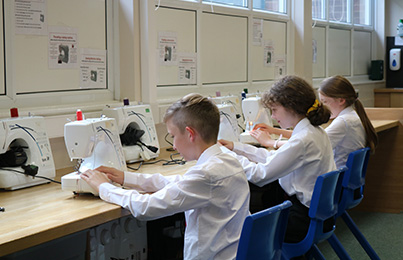
By operating on a carousel students will be introduced to a wide range of materials and how to manufacture projects using different tools and equipment. Studying resistant materials, food technology and textiles students discover the design process and how this is used throughout projects.
In year 7 our first projects cover an introduction to the material types, allowing a foundation of core knowledge to help students handle the material safely and creatively. Starting with a range of hand skills students develop confidence allowing accuracy but most importantly safely.
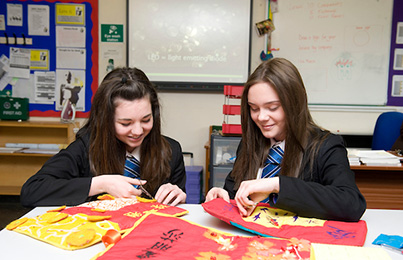
In textiles they are create a decorative cultural panel, questioning what is cultural and how can this be celebrated through a range of decorative processes. Students explore a range of practical skills that will allow students opportunities to explore textures, materials and processes in a creative way. In their technology lessons pupils create a cultural picture frame embedding their knowledge of culture and identity, learning a range of practical skills creating their project. In food technology students begin with their knowledge of diets and the various food groups. Developing this through practical application of preparing a range of dishes. Pupils apply this knowledge produce a dish that allows students to adapt recipes to compliment dietary requirements, this could be through life choices or cultural/religious reasoning.
Year 8
Our Year 8 curriculum continues to build upon the knowledge established throughout Year 7 and students will continue to explore develop these skills as they progress with their projects.
In textiles students will develop a focus on construction skills, utilising their knowledge of tools and equipment they are to design and manufacture a bag. The inspiration for their design of their bag will be inspired by local artists such as Francesca Young, Eve Leoni and BYGO a range of Grimsby and Cleethorpes artists whose work celebrates the area in which we live.
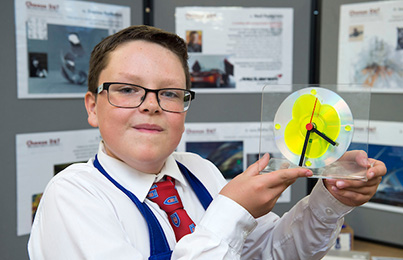
In technology students are looking at motion and analytical of how things work. Progressing their hand practical skills developed in year 7 they are challenging themselves to create a functional automata toy.
During their food rotation students are revisiting different cultures and exploring their local produce. Understanding how different countries celebrate their different climates with their cuisine. Pupils then use their ability to design, analyse, and justify to develop a dish to celebrate their chosen culture.
Year 9
Year 9 is designed to continue student's progression in their study of Design and technology.
Students have developed a knowledge rich awareness throughout their course of materials and the subject areas. Through the nature of the subject, this fosters a growth mind-set. Through deep questioning and the sequencing of theory throughout their project's students develop their skills across the years. Students challenge themselves to develop their understanding of how to be creative and through well considered design decisions and solutions.
In textiles students are focusing on challenging their construction skills to a produce a festival hat, this project is focused on developing their practical life skills into a creative designed product. The research into current designers, allowing students to make innovative design decisions.
Students in technology are crafting pencil boxes demonstrating different wood joints and finishing. Allowing students to have a foundation of skills in preparation for their future.
In food technology students look at the ever-growing popularity of street food, what is driving this locally as street food is becoming more popular in Grimsby and Cleethorpes, with a lot of local markets celebrating different street foods from around the world. Students then design and create using their skills a dish that could be sold at a local food market.
KS4
There are two courses offered at KS4:
- GCSE Technology (AQA).
- Level 1/2 Vocational Award in Hospitality and Catering (Eduqas).
The Technology curriculum has been designed for students to develop their knowledge in various processes both decorative and constructive. Students have opportunities to experience technical drawing to allow students a breadth of understanding how to communicate design decisions replicating the work in industry. The knowledge covered builds on the KS3 curriculum with key themes continually revisited over both key stages.
In Hospitality and Catering, students experience a wide range of cooking processes allowing them to embed core skills in the preparation of ingredients. The hospitality and catering sector is one of the largest sectors of employment in the local area, the subject specific knowledge developed in this course will offer lifelong employment opportunities for our students.


