 The Gatehouse
The Gatehouse provision is the first of its kind in NE Lincolnshire. It can be found within the Lincolnshire Gateway Trust at Waltham Toll Bar Academy.
Our aim is to work with students with SEMH (social, emotional, mental health) who have EHC (Education, Health & Care) plans and have been struggling to access mainstream education. Building trusting relationships and offering bespoke timetables and interventions will give students the knowledge, tools and skills required to enable transition and navigate mainstream education.
The Gatehouse offers ‘state of the art’ technology in the form of AV1 robots. AV1 is a livestream device which can access a child’s lessons and livestream back to the Gatehouse via an iPad. It will enable your child to feel at ease in the surroundings of the Gatehouse with their Learning Support Assistants and SEN Teacher. Students are able to visualise their classroom environment, see their teaching staff and interact to feel part of the lesson.
At The Gatehouse, personalised interventions will be delivered from specialist providers and external agencies: Art4; person centred therapeutic art, Speech, Language and Communication Specialists and Fortis Therapy will all be part of the ‘learning journey’ for each young person, running alongside core subjects and mainstream content. All learning will be targeted and taught in small groups, closing gaps in knowledge and building key foundational skills in literacy, numeracy, and socio-emotional abilities—needed for lifelong learning.
Each child will leave the Gatehouse with not only a greater understanding of the world around them, but also coping strategies, subject knowledge and most importantly personal growth. Each child will graduate from our provision and be presented with a certificate to recognise and celebrate their achievements.
We believe in regular, open communication with home. Parents, carers and families will also be invited in on a regular basis to discuss progress and build connections.
Thank you. We look forward to welcoming you.
The Gatehouse Team: Mr Wade - SEN Teacher, Mrs Cooke - Family Liaison Officer, Miss Earl-Jarrett and Miss Bartram - Learning Support Assistants.
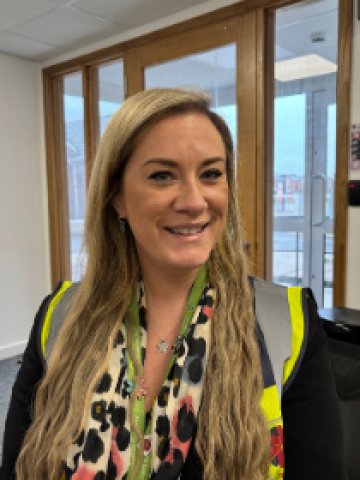
Ms Law
Vice Principal

Mr Wade
Gatehouse Teacher
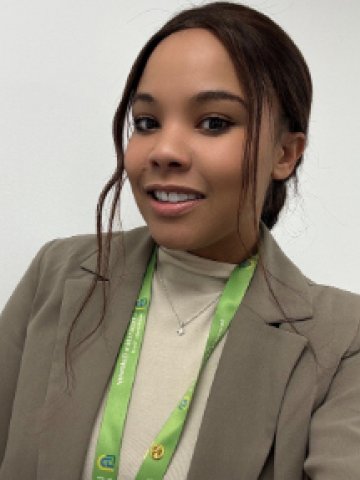
Mrs Cooke
Family Liaison Officer
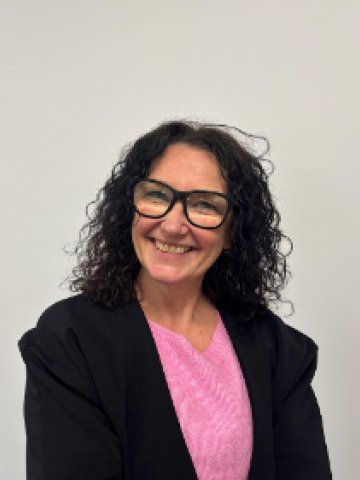
Ms Earl-Jarrett
Learning Support
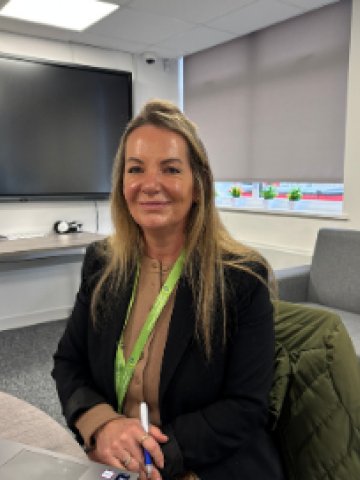
Ms Bartram
Learning Support
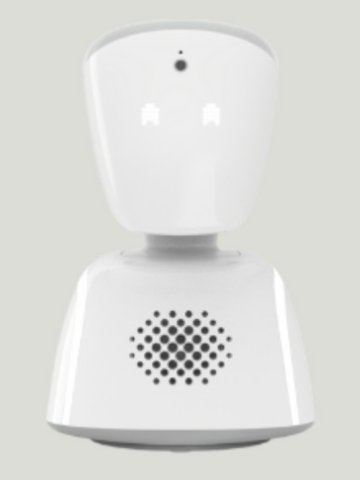
Alfred
AV1 Robot
At the Gatehouse, we believe on supporting young people at every stage of their educational journey. To help us with this, we work with outside agencies that share our person-centred approach.

The Fortis team expertly provides support for children, young people and team members with an integrative therapeutic approach.
We can help increase attendance and attainment of pupils, promote positive behaviour and emotional development, build independence and resilience, and improve emotional wellbeing and mental health for all.
New Options – Speech and Language Therapy
We work with children with a range of speech, language and communication difficulties. This could include problems understanding language (making sense of what people say) or problems using language (words and sentences).
ART4 – Drawing on the Mind
We provide person-centred therapeutic art workshops to allow young people to express themselves in a safe and supportive environment. We believe art can help young people to be more present and mindful. Our aim is to guide and encourage creative expression.
The Gatehouse at Waltham Toll Bar is an SEN Reintegration Unit. We provide a high-quality, structured and nurturing pathway into mainstream education.
Our vision for young people is a simple one: everyone deserves access to an education. The Gatehouse at Waltham Toll Bar Academy provides a way of progressing for students who are ready and willing to engage with the next phase of their journey.
We work with young people who are beginning to reconnect with learning and ready to form relationships with adults and peers. These students will be ready to take small, supported but significant steps forward into mainstream education.
Our ultimate aim is to prepare learners for a successful, confident and independent transition into mainstream education, adulthood and the best possible quality of life.
Our team offers a mix of academic, vocational and enrichment experiences. These happen alongside mentoring and pastoral care, and everything we plan and do is tailored to each young person's strengths and needs.
For the Gatehouse to be most effective and impactful, we need families and professionals to be actively involved. This means a young person's needs can be safely and securely met within the structured environment of our provision.
Success of the Gatehouse is measured through the engagement of the student as well as their resilience in accessing mainstream lessons and therapeutic sessions. We will also evaluate success through strong reintegration outcomes, sustained attendance improvements, academic engagement and student voice.
The Gatehouse won't be the right fit for everyone. We will always work with our partners to find the best way forward for the individual.
We aim to not just reintegrate learners into mainstream education but to empower them with the academic foundation, emotional security and self-belief required to thrive long-term. We believe every student can succeed with the right guidance, environment and opportunities.
Vision and Rationale
The Gatehouse is a SEND unit within the mainstream secondary school Waltham Toll Bar Academy. We are designed to support vulnerable children and young people who experience significant barriers to learning. Our core purpose is to create a nurturing, safe and aspirational environment with a therapeutic approach that enables students to re-engage with education and successfully access mainstream learning when they are ready to do so.
We believe all children are entitled to a full education, regardless of need, background, or circumstance. The Gatehouse exists to remove barriers, rebuild trust in education, and ensure that students do not lose academic ground or future opportunities due to unmet needs.
Curriculum Intent Statement
The Gatehouse curriculum is designed to be inclusive, ambitious, flexible and trauma-informed, enabling students to:
- Reconnect with learning in a way that feels safe and meaningful.
- Maintain progress in core academic subjects.
- Develop essential life skills for independence and adulthood.
- Build resilience, emotional regulation and positive social relationships.
- Transition successfully into mainstream lessons or alternative appropriate pathways.
Our curriculum balances academic rigour with personal development, ensuring students are prepared not only for future qualifications, but for life beyond school.
Core Principles
The Gatehouse curriculum is underpinned by the following principles:
- Entitlement: Every child has the right to a broad, balanced and ambitious curriculum.
- Inclusion: Students remain part of the wider school community and are supported to access mainstream education wherever possible.
- Individualisation: Learning is adapted to meet individual needs, strengths and starting points.
- Trauma-Informed Practice: Teaching and relationships recognise the impact of trauma, attachment and adverse experiences.
- High Expectations: We believe in every learner's capacity to succeed academically, socially and emotionally.
- Emotional Safety: Strong relationships and consistency underpin all learning.
Curriculum Offer
Academic Curriculum
To prevent disengagement and loss of learning, students in The Gatehouse access a structured academic curriculum aligned with the mainstream offer:
- English: Developing literacy, communication, reading and writing skills essential for success across the curriculum.
- Mathematics: Building confidence, problem-solving ability and functional numeracy.
- Science: Maintaining scientific knowledge, enquiry skills and curiosity about the world.
These subjects are taught in small groups with adapted approaches, ensuring continuity with mainstream schemes of learning and enabling smooth reintegration.
Personal Development and Life Skills
Recognising that learning readiness is rooted in wellbeing, The Gatehouse curriculum includes:
- Life Skills: Including cookery and gardening to promote independence, teamwork, responsibility and practical problem-solving.
- CPSHE (Citizenship, Personal, Social and Health Education): Supporting students to understand themselves, relationships, rights, responsibilities and life in modern Britain.
- Creative Subjects: Art, music, and other creative opportunities that encourage self-expression, confidence and engagement.
Social, Emotional and Mental Health Development
Students are supported to develop:
- Emotional regulation and self-awareness.
- Resilience and coping strategies.
- Positive social skills and peer relationships.
- Confidence and self-esteem.
This is achieved through explicitly taught strategies, modelling, reflection and consistent routines.
Teaching and Learning Approach
Teaching in The Gatehouse is:
- Trauma-informed and attachment-aware — We seek to understand to provide safety, trust and empowerment.
- Flexible and responsive to daily emotional needs — We teach the student as they are, not as we wish them to be.
- Based on strong relationships and consistency — We build relationships as we build knowledge and skills.
- Designed to reduce anxiety and cognitive overload — We work at the pace of the student and do not overwhelm.
- Focused on success, praise and incremental progress — We recognise and celebrate each achievement, no matter how big or how small.
- Highly trained, dedicated staff create an environment where students feel emotionally safe, valued and understood, enabling them to take risks in learning.
Inclusion and Reintegration
The Gatehouse is not a destination but a bridge. Students are supported to:
- Maintain links with mainstream classes.
- Gradually reintegrate into mainstream lessons where appropriate.
- Develop the skills needed to succeed in larger, less structured environments.
Transitions are carefully planned, personalised and reviewed regularly in partnership with families and external professionals.
Assessment and Progress
Assessment is ongoing, meaningful and individualised. Progress is measured through:
- Academic attainment and engagement.
- Personal development and wellbeing.
- Social and emotional growth.
- Readiness for reintegration or next steps.
Success is defined not only by outcomes, but by improved attendance, confidence, independence and aspiration.
Preparing for the Future
The Gatehouse curriculum equips students with the skills, knowledge and attitudes needed for:
- Successful reintegration into mainstream education.
- Positive post-16 pathways.
- Independence, employability and lifelong learning.
By nurturing interests, celebrating strengths and offering consistent emotional support, we enable students to believe in themselves and their futures.
Curriculum Implementation
At The Gatehouse, the curriculum is implemented through a flexible, trauma-informed and highly personalised approach that ensures all students can access learning while feeling emotionally safe and supported.
Teaching and Learning
- Teaching is delivered by highly trained, consistent staff who understand the social, emotional and learning needs of vulnerable learners.
- Lessons are carefully structured with clear routines to provide predictability and reduce anxiety.
- Teaching strategies include chunking of learning, scaffolding, overlearning, visual supports and practical activities.
- Staff explicitly teach emotional regulation, communication and social skills alongside academic content.
- Relationships are central to learning; staff model positive interactions and provide calm, nurturing responses.
Curriculum Delivery
- Students follow a reduced and adapted timetable where appropriate, gradually increasing access to mainstream lessons as confidence and readiness develop.
- English, Mathematics and Science are aligned with mainstream schemes of learning to ensure continuity and avoid gaps in knowledge.
- Life skills, CPSHE and creative subjects are taught through experiential and practical learning to promote engagement and real-life application.
- Individual interests are incorporated into learning to increase motivation, self-esteem and perseverance.
Personalisation and SEND Support
- All students have an individual support plan informed by EHCP outcomes, SEND profiles and pastoral assessments.
- Learning is adapted to meet individual cognitive, emotional and sensory needs.
- Reasonable adjustments and assistive strategies are consistently implemented.
- Close collaboration with external agencies supports holistic development and wellbeing.
Trauma-Informed Practice
- Staff use attachment-aware and trauma-informed strategies to support regulation and readiness to learn.
- Emotional check-ins, calm spaces and sensory regulation strategies are embedded throughout the day.
- Behaviour is understood as communication; responses focus on support, reflection and restoration rather than punishment.
Assessment and Monitoring
- Assessment is ongoing, formative and purposeful.
- Progress is tracked across academic, social, emotional and behavioural domains.
- Regular reviews ensure curriculum provision remains appropriate and ambitious.
- Parents and carers are kept informed and involved in planning and review processes.
Curriculum Impact
The impact of The Gatehouse curriculum is seen in academic progress, personal development and successful reintegration into mainstream education.
Academic Outcomes
- Students maintain or improve progress in English, Mathematics and Science.
- Gaps in learning are identified and addressed, preventing long-term disengagement.
- Increased confidence and willingness to engage with learning is evident.
Social, Emotional and Behavioural Development
- Students demonstrate improved emotional regulation and resilience.
- Incidents of dysregulation reduce as coping strategies and self-awareness increase.
- Relationships with peers and adults strengthen, supporting a positive learning environment.
Engagement and Attendance
- Improved attendance and punctuality as students feel safe and valued in school.
- Increased participation in learning and school life.
Inclusion and Reintegration
- Students successfully reintegrate into mainstream lessons at a pace appropriate to their needs.
- Learners develop the skills required to manage transitions and increased expectations.
- Students remain connected to the wider school community and develop a sense of belonging.
Preparation for the Future
- Students gain essential life skills that support independence and future pathways.
- Increased aspirations and positive attitudes towards education and learning.
- Learners are better prepared for post-16 education, training or employment.
Overall Impact
The Gatehouse provision ensures that vulnerable students are not left behind. Through a carefully implemented, nurturing and ambitious curriculum, students are supported to thrive academically, emotionally and socially, enabling them to access mainstream education and future opportunities with confidence.
 Say hello to Alfred!
Alfred the AV1 Robot is a key part of our team. He’s here to support students as they reintegrate into mainstream lessons.
Alfred allows students to remotely participate in lessons in a controlled environment such as the Gatehouse Provision. Learning will take place under the supervision of an adult at all times to support first steps.
AV1 robots are safe, effective and easy to use.
|
Live Connection: A camera and microphone connect students so they can see and hear everything through the robot, and they can speak to the teacher through Alfred too. The camera is one-way, which removes the pressure of being seen for children who are ill, anxious or in pain. |
||
ParticipationStudents can rotate and move the robot, change the eye expressions, and 'raise their hand' by making the robot's head flash green. This means they can ask and answer questions, or show how they are feeling, while maintaining a feeling of safety. |
BelongingThe robot is an avatar for the student it represents. Alfred can encourage students to feel a sense of belonging and help with the transition process. The physical presence of a robot means the student is not forgotten, even on days when they are too unwell to log on. |
Fatigue-FriendlyWhen a student is particularly unwell and unable to participate, but still wants to attend and listen to the lesson, they can turn the head light blue to indicate ‘passive mode’. This can be helpful on those early steps towards reintegration. |
Latest Issue
Previous Issues


